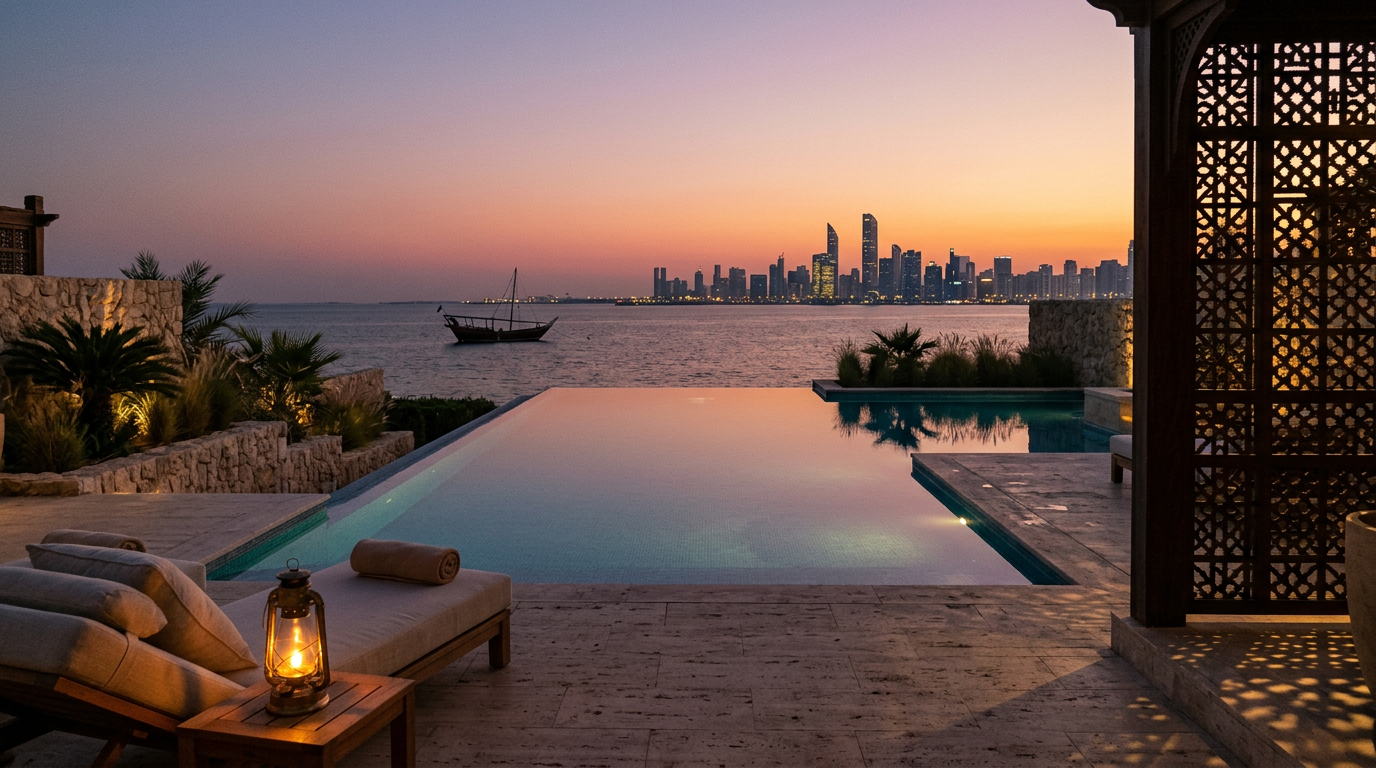
Hiring a luxury advertising agency in the Middle East is usually a response to a simple fact: a meaningful share of the world's new private wealth is either created in the Gulf or moving there. The UAE has topped recent rankings for net inflows of millionaires, Saudi Arabia is spending at national scale on tourism, entertainment and real estate, and Qatar and Kuwait hold some of the highest household wealth per capita anywhere. For brands in private aviation, prime property, wealth management, luxury automotive, hospitality and high-value retail, the region is no longer optional.
It is also unforgiving to a plan copied from New York or London. The platforms that dominate a US media plan are either absent, sold differently or outranked by local services. The working week, the year and the purchase calendar are shaped by Ramadan, Eid and a summer in which much of the affluent population leaves. Advertising content, influencer partnerships and real estate promotion need permits. This article sets out how a Gulf plan for affluent and ultra-high-net-worth buyers should be built, what it costs, and how to measure it.
Why the Middle East Needs Its Own Luxury Advertising Plan
Five characteristics separate the Gulf from Western luxury markets.
- The audience is small, concentrated and highly international. Expatriates make up the large majority of the UAE's residents and a substantial share of Saudi Arabia's and Qatar's. An affluent Dubai audience includes Emirati families, Indian and Pakistani business owners, Russian and European relocators, British and American executives, and wealthy visitors from across the Gulf. Language, culture and media habits vary within the same postcode.
- Mobile platforms dominate attention. Snapchat has unusually deep reach in Saudi Arabia, Instagram and YouTube are central everywhere, and WhatsApp is how most affluent buyers actually respond to an advertisement.
- Premium video is regional. Shahid (MBC Group) and OSN+ carry much of the premium Arabic and international content. Global streamers are widely used but, at the time of writing, offer limited or no ad-supported inventory in most Gulf markets, so they cannot carry a CTV plan as they do in the US.
- The calendar is lunar and seasonal. Ramadan moves about eleven days earlier each year, and the affluent population leaves in large numbers from late June to early September.
- Advertising is licensed. Several categories, and paid content by individuals, require permits that a Western agency may not know exist.
Where Is the Wealth in the Middle East?
| Market | Affluent profile | Where it concentrates | Primary languages for luxury creative |
|---|---|---|---|
| United Arab Emirates | Very large expatriate HNW base; strong millionaire inflows; local UHNW families | Dubai (Palm Jumeirah, Emirates Hills, Jumeirah Bay, Dubai Hills, DIFC), Abu Dhabi (Saadiyat, Al Reem, Al Bateen) | English and Arabic; Russian, Hindi and Mandarin for specific segments |
| Saudi Arabia | Largest GCC population; growing domestic HNW base; young, mobile-first | Riyadh (Al Malqa, Diplomatic Quarter, Hittin), Jeddah (Al Shati, Obhur), Al Khobar | Arabic first, English second |
| Qatar | Very high wealth per capita; small national population | Doha (The Pearl, West Bay, Lusail) | Arabic and English |
| Kuwait | High household wealth; heavy outbound travel | Kuwait City and coastal districts | Arabic and English |
| Bahrain and Oman | Smaller, established wealth | Manama; Muscat | Arabic and English |
Third-party wealth data is thin across the region compared with the US or UK. Most efficient Gulf plans therefore build audiences from four sources: precise location (residential communities, private aviation terminals, five-star hotels and members' clubs), first-party CRM data from the brand, premium publisher context, and platform-level interest and purchase signals on Snapchat, Meta and YouTube.
What Inventory Reaches Affluent Buyers in the Gulf?
Premium video and connected TV
Middle East CTV advertising is growing but remains smaller and more fragmented than in the US.
- Shahid. MBC Group's streaming service is the region's largest Arabic platform, with ad-supported and premium tiers and strong reach in Saudi Arabia. It sells direct and through programmatic deals.
- YouTube on connected TV. YouTube reaches most Gulf households and can be bought with YouTube Select-style premium packages, giving brand-safe placement around top regional and international content.
- Smart TV platforms. Samsung and LG advertising products reach the home screen and free ad-supported channels with household-level targeting by location.
- OSN+ and other regional services. Selected partnerships, typically sponsorship-led rather than programmatic.
Social and messaging
Social is not an afterthought in the Gulf; for many affluent buyers it is the primary channel. Snapchat's reach among Saudi adults is far higher than in Western markets, making it a credible awareness channel for automotive, hospitality and retail launches. Instagram remains the visual home of luxury. The most important practical difference is the response path: click-to-WhatsApp advertising, routed to a trained client advisor, routinely outperforms web forms because it matches how affluent buyers in the region prefer to communicate.
Digital out-of-home
Gulf DOOH is premium, concentrated and highly effective for luxury. Key placements include Dubai International and Abu Dhabi airports, the private aviation terminals at Dubai World Central and Al Bateen, Dubai Mall and other flagship retail destinations, Sheikh Zayed Road, and the boulevards of Riyadh. Many large-format screens are sold through media owners such as JCDecaux, Alpha, BackLite and Multiply, increasingly programmatically.
Publishers and audio
English-language titles such as The National, Gulf News, Khaleej Times and Arab News, Arabic-language Asharq Al-Awsat, business titles such as Arabian Business, and regional editions of luxury magazines including Vogue Arabia and Esquire Middle East reach the affluent audience directly. Anghami and Spotify carry streaming audio and podcast inventory in Arabic and English.
Middle East Advertising Regulation: Permits and Rules to Plan Around
Rules differ by country and change frequently; the following are the areas a luxury advertising agency in the Middle East must manage.
UAE
- Media law and content standards. The UAE's media regulation framework, overseen by the UAE Media Council, sets content standards covering respect for religion, national symbols and public morals, and provides for significant fines for breaches. Creative must be reviewed against these standards before launch.
- Advertiser Permit. Individuals who publish paid promotional content on social media, including influencers and brand ambassadors, require an Advertiser Permit from the UAE Media Council. Any influencer component must be checked for a valid permit.
- Real estate advertising. In Dubai, property advertisements require a permit number from the Dubai Land Department's Trakheesi system, which must appear on the advertisement. Similar requirements apply in Abu Dhabi.
- Financial services. Promotions are regulated by the relevant authority (the SCA onshore, the DFSA in DIFC and the FSRA in ADGM), with specific rules for promoting to retail versus professional clients.
- Data protection. The UAE's federal Personal Data Protection Law, together with separate DIFC and ADGM regimes, governs the use of personal data for targeting.
Saudi Arabia
- Influencer licensing. Paid promotional content by individuals requires a Mawthooq licence from the General Commission for Audiovisual Media (GCAM).
- Real estate. Property advertising is subject to licensing by the Real Estate General Authority (REGA).
- Data protection. The Personal Data Protection Law has been enforced since September 2024 and applies to profiling and advertising use of personal data.
A sound rule across the region: build a compliance step into the creative workflow, with country-specific sign-off, before any asset is trafficked.
When to Advertise Luxury in the Middle East
The Gulf luxury calendar is the most important planning input after audience.
| Period | What happens | Media implication |
|---|---|---|
| October–April | Peak season: residents present, visitors arrive, events (Abu Dhabi F1, Riyadh Season, Dubai Shopping Festival, Art Dubai) | Main flights for property, automotive, aviation, hospitality |
| Ramadan (dates shift ~11 days earlier each year) | Viewing and social use shift to evening and late night; family gatherings; generosity and gifting | Lighter, respectful creative; heavy late-evening video; plan Eid gifting campaigns |
| Eid al-Fitr and Eid al-Adha | Holidays, travel and gifting peaks | Short, intense flights for gifting, travel and hospitality |
| Late June–early September | Many affluent residents and nationals travel abroad | Reduce Gulf spend; follow the audience to London, Paris, Geneva, Marbella and the Riviera |
Two scheduling details matter. The UAE weekend is Saturday–Sunday, while Saudi Arabia's is Friday–Saturday, so dayparting differs between the two markets. And during Ramadan the peak online window moves to after iftar and runs late into the night.
Following Gulf wealth abroad in summer
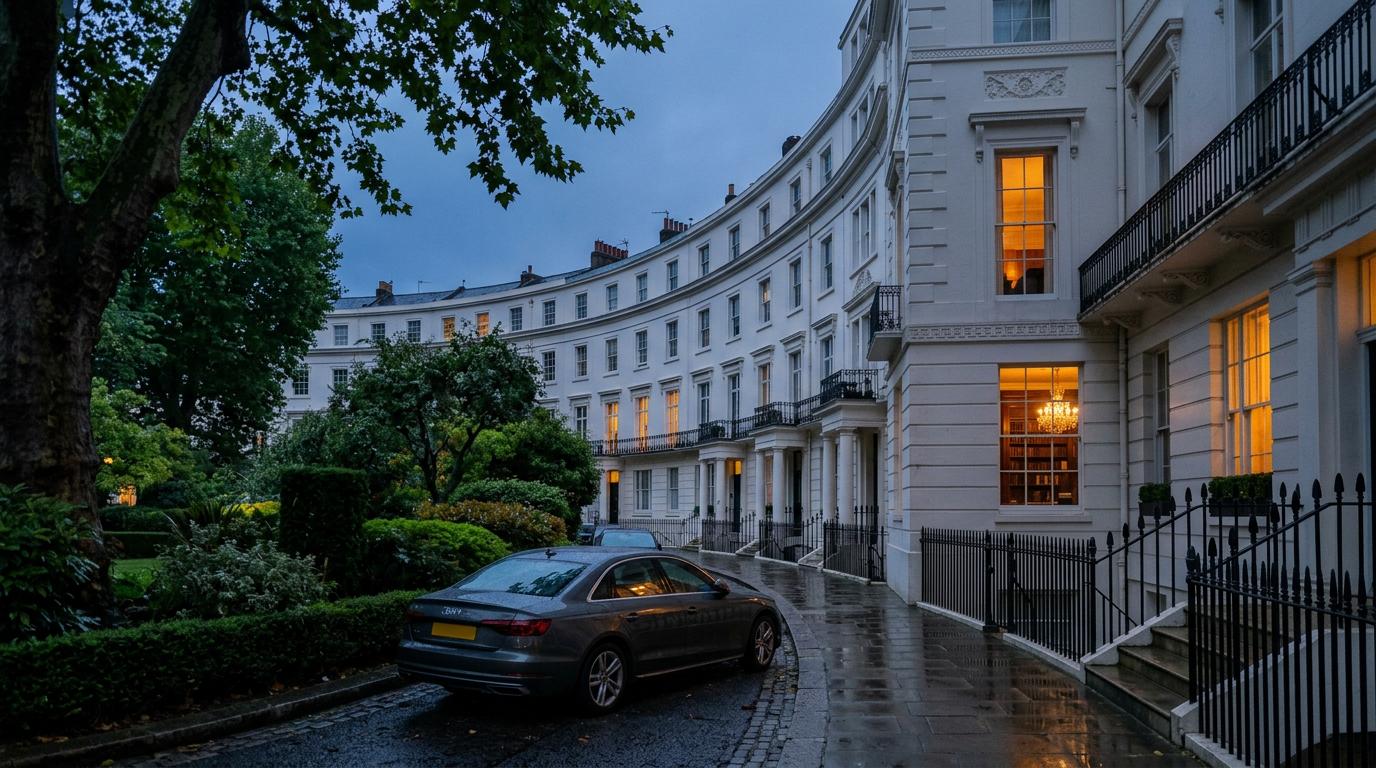
Gulf summer travel is a planning opportunity, not just a gap. Families from the UAE, Saudi Arabia, Qatar and Kuwait spend extended periods in London, Paris, Geneva, Marbella and the French Riviera. A cross-border plan that targets Gulf-origin devices and Arabic-language users in Mayfair, Knightsbridge or Cannes during July and August reaches the same households at a moment of high discretionary spending, often at lower CPMs than peak-season Gulf inventory.
What Does Luxury Advertising Cost in the Middle East?
Gulf CPMs vary widely by language, placement and season. The ranges below are Stillwater planning ranges in US dollars, not rate-card quotes.
| Channel | Typical CPM range (USD) | Targeting precision for affluent buyers | Best use |
|---|---|---|---|
| Open-exchange display | $1–$4 | Low | Avoid for luxury |
| Premium publisher PMP display | $8–$20 | Medium | Context, English and Arabic premium titles |
| Shahid and premium regional video | $20–$40 | Medium | Premium Arabic-language video reach |
| YouTube premium packages on CTV | $15–$35 | Medium | Brand-safe video at scale |
| Smart TV and FAST platforms | $20–$40 | Medium–high by location | Home-screen reach in target communities |
| Snapchat and Instagram (affluent targeting) | $6–$18 | Medium | Awareness and click-to-WhatsApp response |
| Premium DOOH (airports, private aviation terminals, flagship malls) | $15–$40 equivalent | High by location | Visibility at travel and shopping moments |
| Streaming audio and podcasts | $8–$20 | Medium | Frequency with commuting professionals |
A worked monthly allocation
For a brand spending $100,000 a month across the UAE and Saudi Arabia in peak season:
- $25,000 (25%) Premium video: Shahid, YouTube on CTV and smart TV platforms, location-targeted to affluent communities
- $22,000 (22%) Social: Snapchat and Instagram, with click-to-WhatsApp response
- $18,000 (18%) Premium DOOH at airports, private aviation terminals and flagship destinations
- $15,000 (15%) Paid search in English and Arabic
- $12,000 (12%) Premium publisher private marketplace deals
- $8,000 (8%) Streaming audio and podcasts
In July and August, redirect 30 to 50 percent of the budget to Gulf-origin audiences in European destinations rather than pausing entirely.
How to Measure Luxury Advertising in the Gulf
Measurement is harder in the Gulf than in large Western markets: there are fewer comparable regions for geo testing, and a large share of response happens in WhatsApp conversations and showroom visits rather than on websites.
- Instrument every response path. Use separate WhatsApp numbers or tagged click-to-chat links per channel, call tracking, and CRM capture of every qualified enquiry with its source.
- Use location-level holdouts within cities. Instead of country-level geo tests, pair similar affluent communities (for example, two comparable villa communities in Dubai or two districts in Riyadh) and hold one out of geo-controllable channels.
- Use time-based tests where geography fails. Alternate on and off weeks for social and video, controlling for season, and compare enquiry rates.
- Match outcomes offline. Link showroom visits, viewings, test drives and signed contracts back to exposure through CRM.
- Judge results over a full season. Many Gulf purchases are made after the buyer returns from summer travel; a twelve-month view is often the minimum for high-value categories.
Common Mistakes Luxury Brands Make in the Middle East
- Running English-only creative. In Saudi Arabia especially, Arabic-first creative with right-to-left layouts, not translated subtitles, materially improves response.
- Using web forms as the only response path. Affluent Gulf buyers expect to message a person; forms alone suppress enquiries.
- Copying the Western calendar. A Q3 launch in the Gulf often runs into the summer exodus; a campaign that ignores Ramadan risks both waste and tone-deafness.
- Overlooking permits. Property ads without a Trakheesi or REGA number, or influencers without a permit, can be removed and fined.
- Treating "the Middle East" as one market. The UAE, Saudi Arabia and Qatar differ in language mix, platforms, weekends and regulation.
- Ignoring cross-border presence. The same households spend summer in Europe and make purchase decisions there.
- Relying on platform-reported conversions. Without holdouts, a social platform will claim credit for buyers who were already in conversation with the brand.
How to Choose a Luxury Advertising Agency for the Middle East
Ask any candidate agency:
- Which regional video inventory (Shahid, smart TV, YouTube premium) can you buy through private deals, and at what minimums?
- How do you build affluent audiences in the UAE and Saudi Arabia without US-style third-party wealth data?
- Who produces and reviews Arabic creative, and who checks it against UAE and Saudi content standards?
- How do you handle advertising permits for property, influencers and financial services?
- How will you measure WhatsApp and showroom response, and what holdout design do you propose?
- Can you follow Gulf audiences to Europe in summer?
Plan Your Middle East Programme with Stillwater Media
Stillwater Media builds media programmes for luxury and high-consideration brands that need to reach affluent and ultra-high-net-worth buyers across borders. In the Gulf, that means location-built audiences, regional premium video, social with direct-response messaging, travel-moment out-of-home, a calendar built around Ramadan and summer travel, and measurement that proves which spend created new buyers. We take on a limited number of engagements each quarter.
If your brand is launching in, or scaling across, the UAE, Saudi Arabia or Qatar, apply to work with Stillwater Media.
About Stillwater Media
Stillwater Media is a selective performance media agency for luxury and high-consideration brands, headquartered in Charlotte, North Carolina, and serving clients across the US, UK, Europe and the Middle East. We plan and buy premium CTV on services including Disney+, Netflix and Prime Video, along with programmatic video and display, digital out-of-home, streaming audio, YouTube Select, podcasts, native and social, using private marketplace deals, affluent audience engineering and incrementality testing. We work with brands in private aviation, luxury real estate, wealth management, private clubs, luxury automotive, premium DTC and luxury hospitality. Signal. Strategy. Scale.
Frequently Asked Questions
What does a luxury advertising agency in the Middle East do?
It plans and buys media that reaches affluent and ultra-high-net-worth buyers in the UAE, Saudi Arabia, Qatar and neighbouring markets, using regional premium video, social, out-of-home and publishers. It also manages Arabic creative, local advertising permits and a calendar built around Ramadan and summer travel, and measures results with holdout tests rather than platform-reported conversions.
Which advertising channels work best for luxury brands in the Gulf?
Premium regional video such as Shahid and YouTube on connected TV builds reach, while Snapchat and Instagram are central for awareness, especially in Saudi Arabia. Out-of-home at airports, private aviation terminals and flagship malls reaches buyers at key moments, and click-to-WhatsApp advertising usually produces more qualified enquiries than web forms.
Do you need a permit to advertise in the UAE?
Some advertising does. Individuals paid to promote products on social media need an Advertiser Permit from the UAE Media Council, and real estate advertisements in Dubai must carry a Trakheesi permit number from the Dubai Land Department. Financial promotions are regulated by the SCA, the DFSA or the FSRA depending on where the firm is licensed.
When is the best time to advertise luxury products in the Middle East?
Peak season runs from October to April, when residents are home and major events such as Abu Dhabi F1, Riyadh Season and Dubai Shopping Festival take place. Ramadan shifts viewing to late evening and calls for a respectful tone, and from late June to early September many affluent residents travel abroad, so budgets are often moved to reach them in European destinations.
How much does luxury advertising cost in the Middle East?
Premium placements typically cost from about $8 to $40 CPM, with regional premium video around $20 to $40 and affluent-targeted social around $6 to $18. A focused programme across the UAE and Saudi Arabia commonly starts at $60,000 to $120,000 a month in peak season.