DOOH affluent location targeting has matured from a blunt reach tactic into one of the most precise tools available to luxury marketers. A digital billboard in the right zip code at the right time of day, synced with real-time audience data and followed by a coordinated CTV retargeting sequence, can outperform a six-figure paid social campaign. Most luxury brands aren't using it this way - which means the opportunity is still open.
What DOOH Actually Is (Beyond the Billboard)
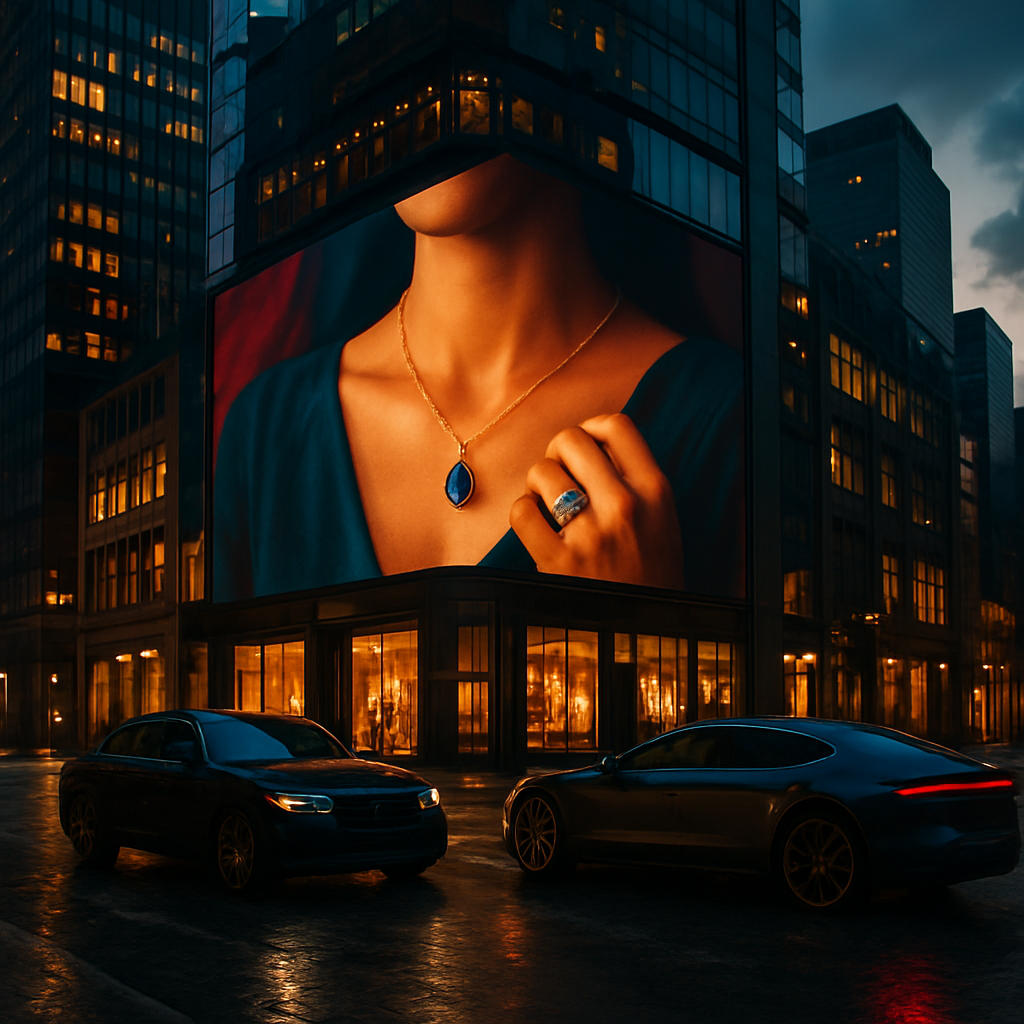
Digital out-of-home advertising encompasses any digitally rendered, publicly displayed advertising surface - from large-format billboards on premium highways, to elevator screens in Class A office towers, to digital displays in private aviation terminals and high-end fitness facilities. Unlike traditional vinyl OOH, DOOH screens:
- Update creative in real time (weather triggers, day-parting, event-based messaging)
- Can be purchased programmatically through demand-side platforms
- Support audience verification through anonymized mobile device data
- Connect to attribution models via device graph cross-referencing
The programmatic DOOH ecosystem has consolidated around platforms like Vistar Media, Place Exchange, Lamar Digital, and Clear Channel Outdoor. Premium inventory - private aviation terminals, luxury hotel lobbies, yacht marinas, high-income residential elevator banks - remains largely accessible through curated private marketplace deals.
The Five Venue Categories That Matter Most for Luxury Advertisers
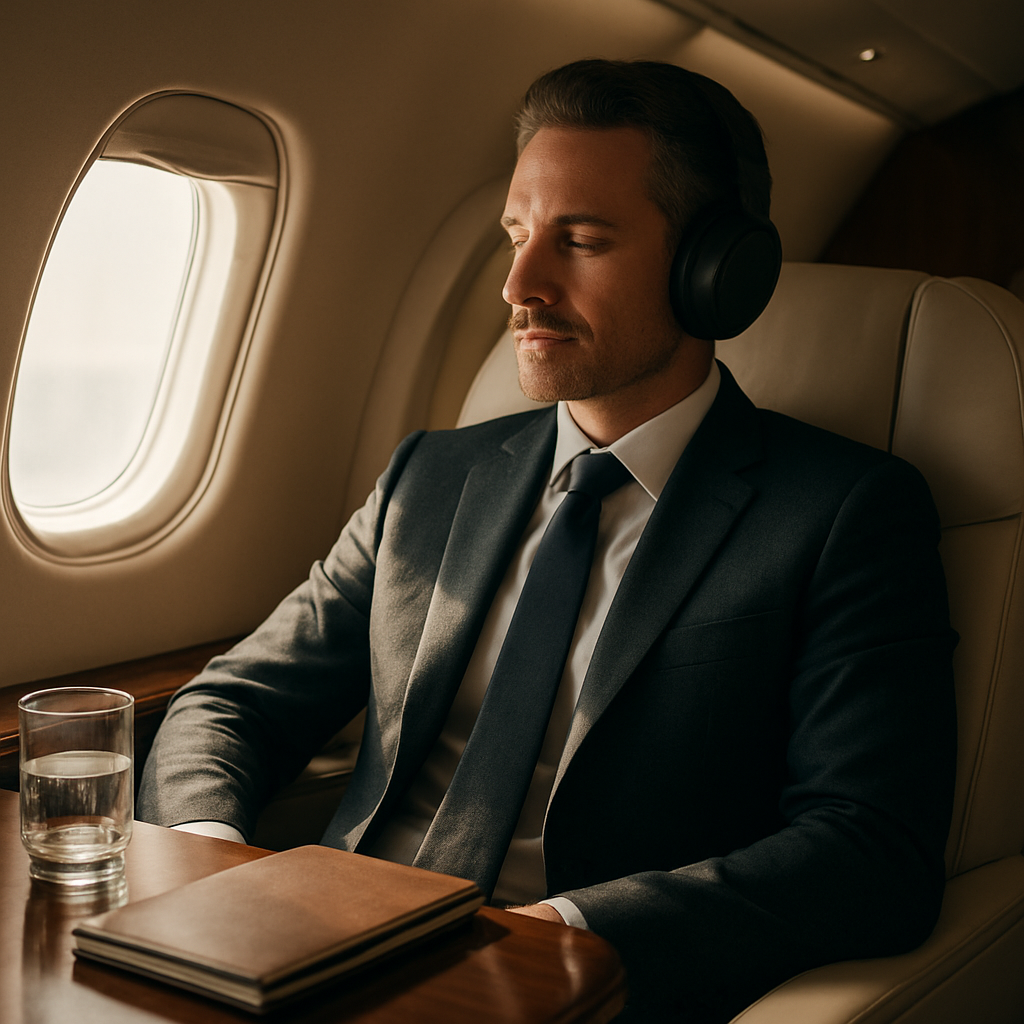
1. Private and Charter Aviation Facilities. FBOs and private terminal lounges are among the highest-density HNW environments on the planet. The average charter passenger has a household income exceeding $400,000, and DOOH screens here deliver dwell times measured in minutes.
2. Luxury Residential Buildings and Neighborhoods. Elevator and lobby screens in high-end residential towers deliver repeated exposures to residents with significant net worth. Frequency builds faster because the same audience passes the same screen multiple times weekly.
3. Premium Fitness and Wellness Venues. Equinox, SoulCycle studios, and members-only clubs attract a disproportionately affluent membership and reach consumers during high-engagement, low-distraction moments.
4. Luxury Automotive Dealership Corridors. A luxury brand's most logical prospect already owns a comparable product. DOOH near Porsche, Ferrari, Bentley, and McLaren dealerships - especially in service and waiting areas - delivers contextually relevant impressions to verified buyers.
5. Golf Courses and Private Club Campuses. Country club campuses and yacht clubs serve highly concentrated affluent audiences during multi-hour dwell periods, providing long-form exposure opportunities.
Programmatic DOOH: How Audience Data Enters the Equation
Programmatic DOOH layers in device-level behavioral data from mobile advertising IDs (MAIDs) to validate that affluent audiences are actually present at a given screen. In practice:
- Audience definition: a brand defines its target as households with $300K+ income who visited a competitor dealership in the last 90 days.
- Location mapping: a platform like Vistar ingests anonymized MAID-to-location data to identify which screens are physically visited by matching profiles.
- Bid optimization: DSP logic bids higher on screen-time slots where validated audience composition exceeds a threshold.
- Creative delivery: the brand's spot runs synced to contextual triggers - clear weather, weekend mornings, proximity to its own dealerships.
- Attribution: a device graph cross-references exposed MAIDs against dealership visits, website sessions, and CRM match rates.
DOOH in the Omnichannel Luxury Campaign Stack
Where DOOH becomes transformative is in its ability to function as a sequencing trigger for digital retargeting. A consumer walks past a DOOH screen in an FBO lobby. Their device is passively observed near that screen and added to a retargeting pool. Within hours, they see a sequenced CTV spot at home, followed by a native ad unit when reading the Wall Street Journal the next morning. The DOOH exposure is the top-of-funnel awareness touchpoint; the digital sequence closes the loop with consideration and conversion messaging.
This architecture delivers 8–12 brand touchpoints weekly without a single impression on low-quality inventory:
- DOOH exposure: 3–5 impressions per week in premium venue environments
- CTV follow-up: 2–3 exposures per week via household-level targeting
- Native/premium display: 1–2 exposures per week via premium publisher deals
Measurement: What DOOH Can Prove That Traditional OOH Cannot
| Metric | Traditional OOH | Programmatic DOOH |
|---|---|---|
| Audience Verification | Traffic count estimates | Anonymized MAID presence data |
| Frequency Control | None | DSP-level caps by audience segment |
| Attribution to Store Visit | None | Device graph cross-reference |
| Creative A/B Testing | Billboard swap (weeks) | Real-time rotation (hours) |
| Audience Composition | Estimated demographic overlay | Validated behavioral segments |
| Campaign Reporting | Monthly circulation reports | Daily impression and engagement data |
What Programmatic DOOH Costs: Realistic Benchmarks
- Premium highway large-format (Mag Mile, Manhattan, Miami Brickell): $25–$60 CPM
- Private aviation terminal displays: $45–$120 CPM (extremely limited, high audience quality)
- Luxury residential elevator screens: $30–$75 CPM
- Premium fitness facility displays: $20–$45 CPM
- Golf and private club screens: $35–$90 CPM
Effective DOOH budgets for luxury campaigns start around $15,000–$25,000 per month to generate meaningful frequency in a single market. Multi-market campaigns with physical-to-digital attribution typically run $50,000–$150,000 per quarter.
How Stillwater Media Approaches DOOH
We build DOOH into omnichannel campaigns as a physical anchor for digital retargeting sequences, not as a standalone awareness play. We map target audience concentration geographically before selecting screens, maintain direct PMP relationships for the highest-quality inventory, seed every DOOH exposure into a coordinated CTV and premium digital retargeting sequence, and establish the measurement methodology before launch. For a luxury automotive client, this approach yielded a 34% lift in dealership visit rates among DOOH-exposed audiences versus a matched control group in a 90-day campaign.